
Working Across Cultures: Designing Immersive Experiences in the Middle East, By Wētā Workshop
Designing for a region of ambition
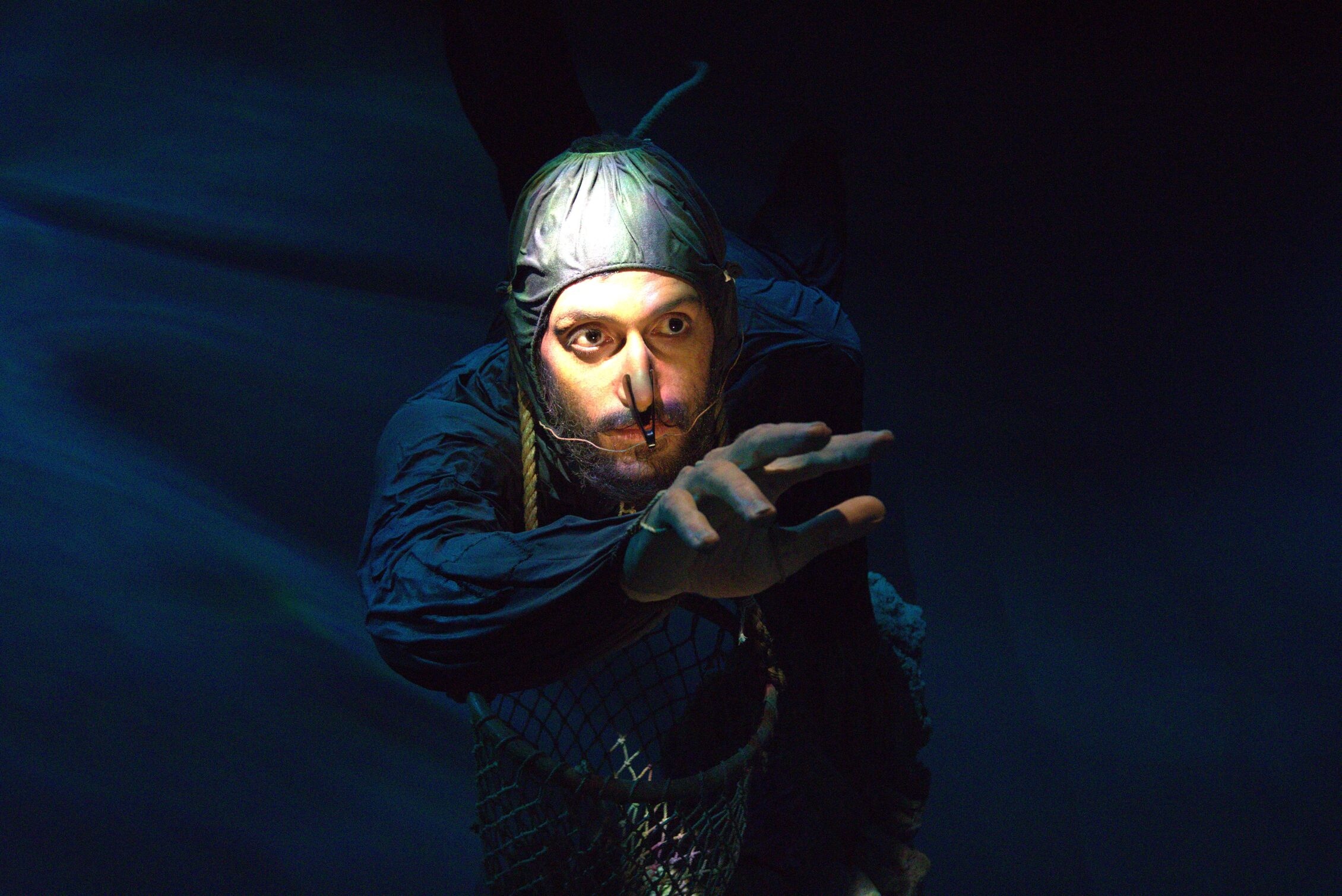
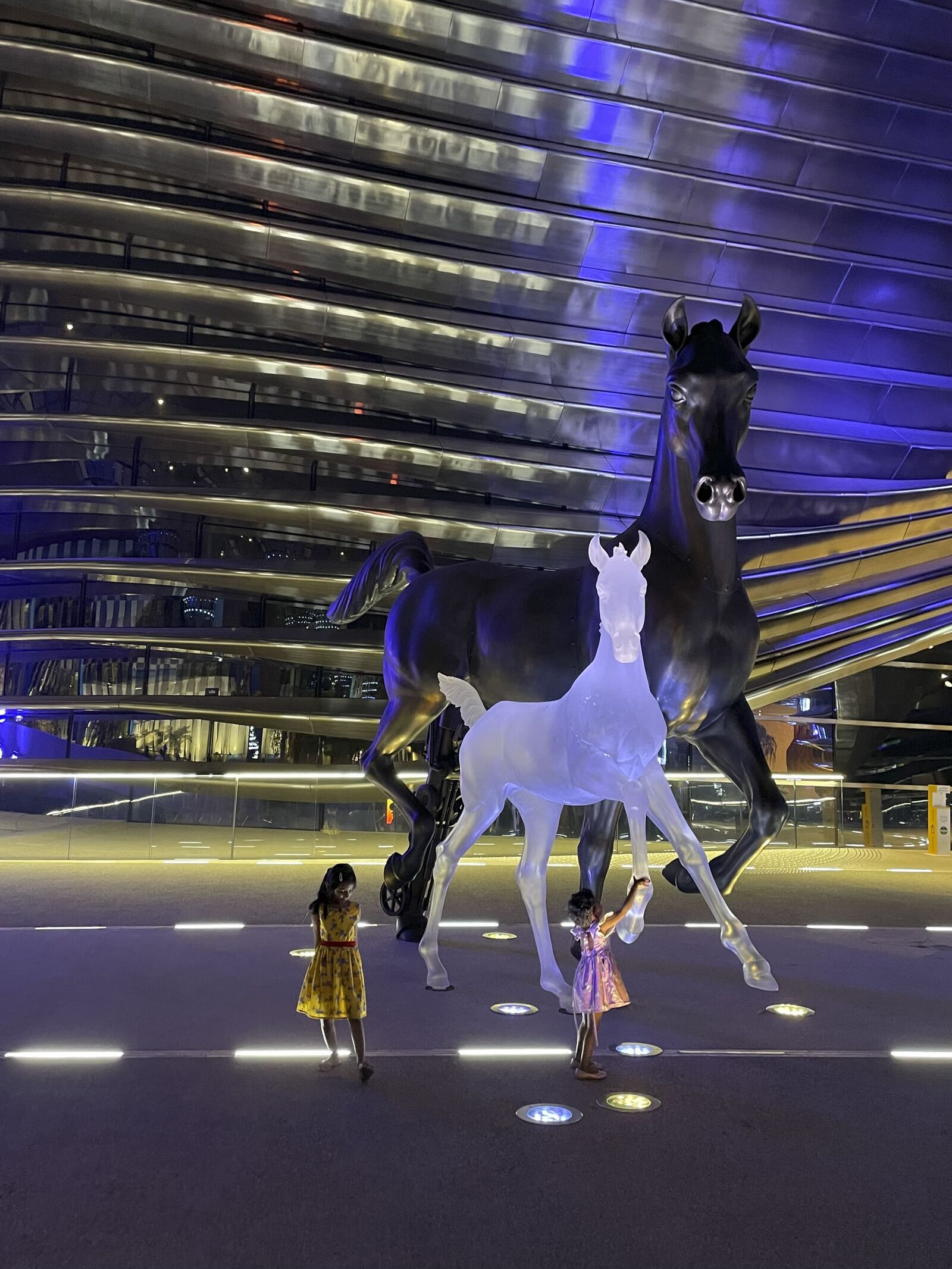
Wētā Workshop’s journey in the Middle East began with Alif – The Mobility Pavilion at Expo 2020 Dubai. Developed in collaboration with Magnopus and the Expo team, it explores human mobility throughout the ages – not just telling the story of mobility across centuries, but translating it into an experience that is emotionally resonant, culturally grounded, and accessible to a global audience.
It proved to be a formative introduction to the region. To design meaningfully, we needed to immerse ourselves in Dubai’s cultural context – its histories, stories, and aspirations – and understand how the past, present, and future are woven together in the United Arab Emirates’ national vision. Expo 2020 was the first World Expo held in the Middle East, and took place during the uncertainty of COVID-19. Initially designed as a temporary pavilion, Alif remains a permanent attraction.
We later applied these learnings through our work on the Natural History Museum Abu Dhabi, where the narrative lens widened to deep time and the natural world at Saadiyat Cultural District. Different as they are in subject matter, both projects reveal important insights into how immersive experiences are conceived, designed, and delivered in the Middle East.
Why the Middle East requires a different immersive mindset
The Middle East has seen rapid investment in cultural infrastructure over the past decade, with museums, expos, and destination districts playing a central role in economic and cultural diversification. As the region opens itself to the world, local culture, history, and identity have come to the fore.
Dubai now rivals Singapore as a global stopover hub, serving travellers moving between hemispheres and acting as a gateway to Africa and Southeast Asia. In 2025, the city welcomed close to 20 million international overnight visitors, alongside a significant expatriate population drawn by rapid development across multiple industries. At the same time, Emirati culture remains deeply rooted, shaped by values of hospitality, generosity, respect, and strong intergenerational family ties.
For immersive designers, this creates a unique audience: local, regional, and global visitors encountering a place that is both outward‑looking and grounded in tradition. Designing for this context requires cultural fluency rather than surface adaptation, and an understanding of how values, history, and ambition intersect in everyday life.
As Wētā Workshop Head of Creative Services Rik Athorne notes, “We’ve found the best work comes from listening and observing first. Every culture has their own stories, values, customs, and way of seeing the world. When you’re able to take the time and learn to understand the people you work with, you can begin a creative and cultural journey together that ends with creating unique projects that genuinely belong to the place and people they’re intended for."
Case study one: Alif – The Mobility Pavilion
For Alif, the challenge wasn’t just storytelling, but coherence and connection. The pavilion set out to take visitors on a sweeping journey “from the Silk Road to the edges of space”, compressing centuries of exploration, innovation, and movement into a single visitor experience.
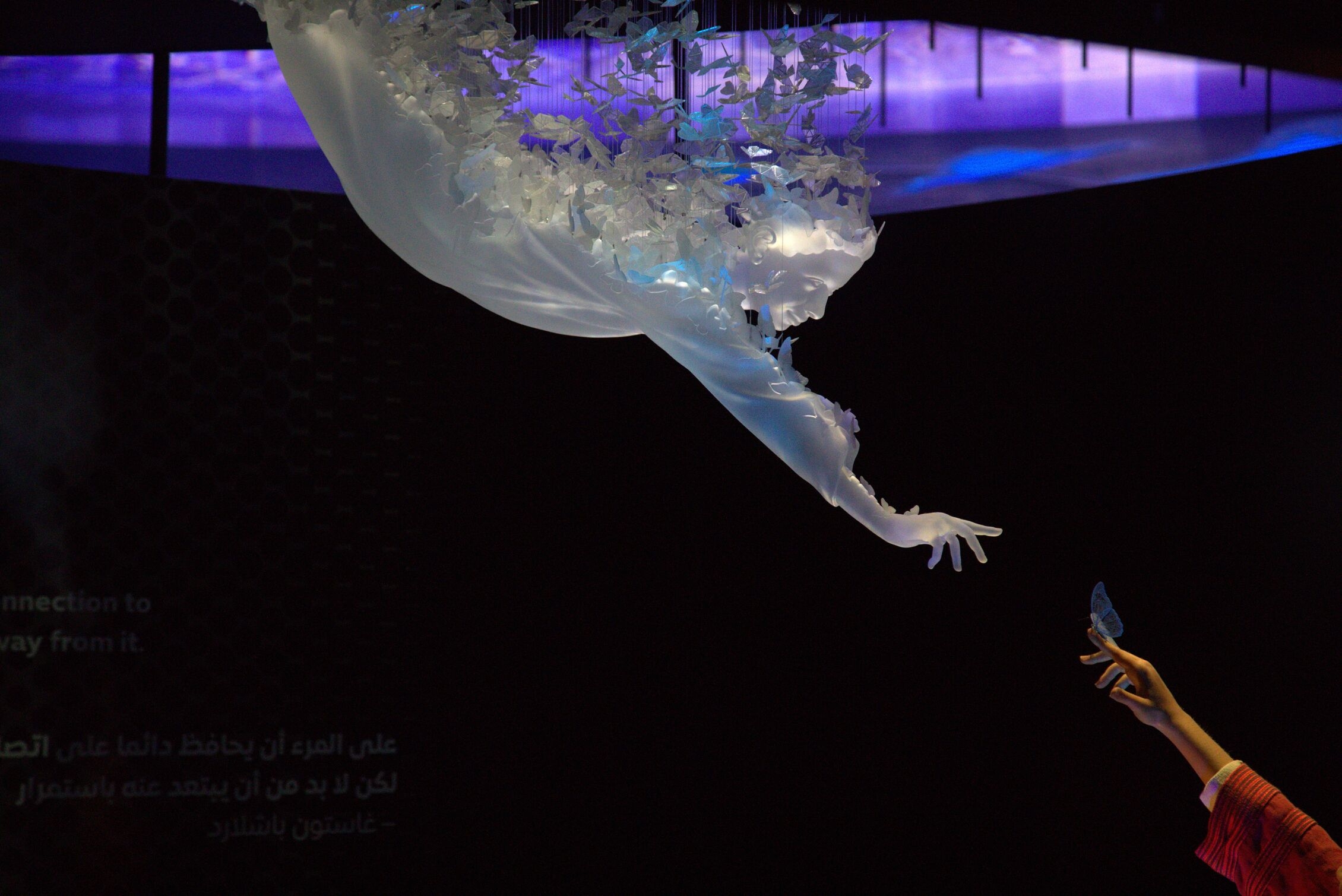
We achieved this through a cinematic approach: clear narrative structure, characters at monumental scale, and emotion prioritised over linear chronology. Crucially, the narrative was culturally grounded not through motifs, but through story choices that honoured local intellectual and historical contributions.
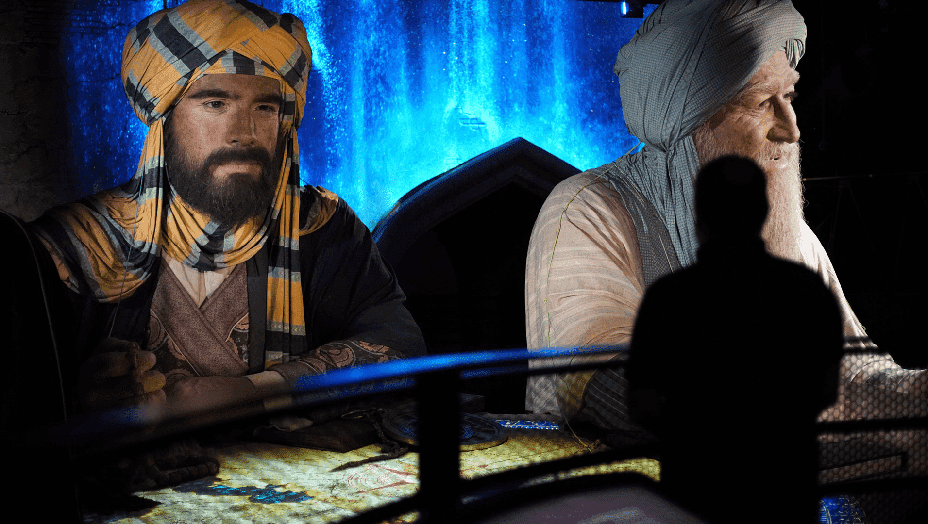
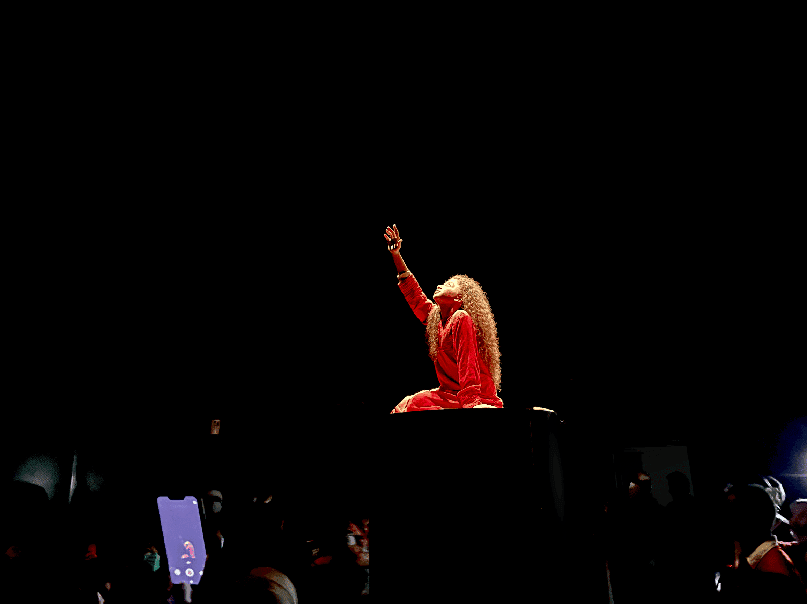
“The experience is anchored by the Giants of Mobility, Ibn Battuta, Ibn Majid, and Al Bakri — figures whose work shaped global exploration and knowledge exchange,” says Wētā Workshop Supervising Creative Director Andrew Thomas. “Framed through the perspective of a young Bedouin girl, the story connects ancient trade routes to future space travel, linking past, present, and future in a way that is specific, respectful, and culturally meaningful.”
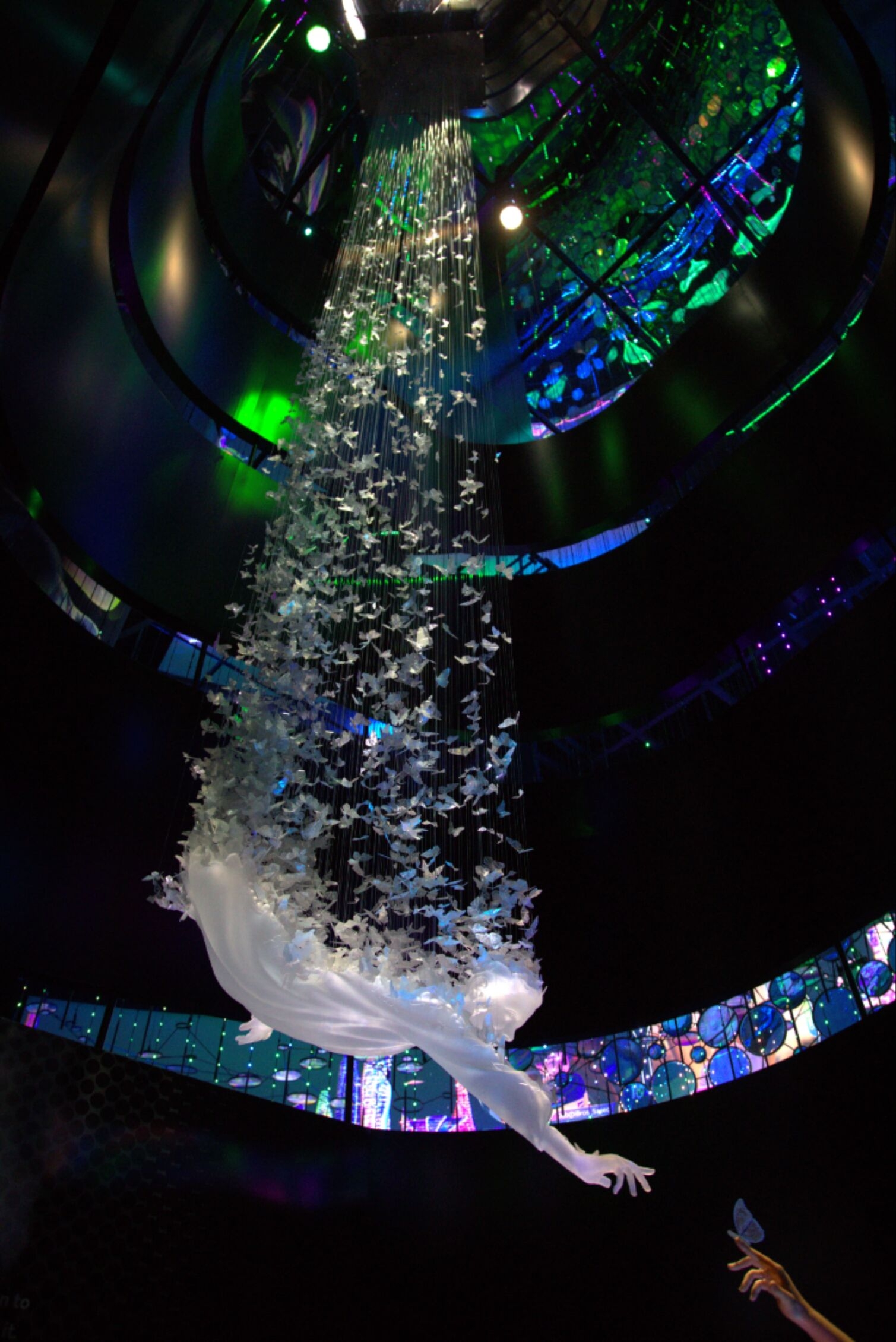
Physical storytelling anchors the experience. Monumental, lifelike sculptures and richly detailed environments create a tangible sense of presence — their scale, texture, and materiality allowing visitors to feel history as something inhabited rather than abstract. Digital layers support this physicality, guiding pacing and transitions without overwhelming the space.
The key lesson from Alif: start with narrative ambition, ground it in culture, and let technology earn its place by strengthening the human story.
“The lesson from Alif was clear,” says Wētā Workshop Creative Producer Jason Aldous. “Narrative ambition only works when culture is treated as structure, not decoration.”
Mixed reality as an invisible design tool
Decades of experience working with filmmakers have shaped how we approach immersive storytelling. Narrative clarity, pacing, and emotional rhythm remain central, regardless of medium. Technology only adds value when it contributes meaningfully to the visitor experience.
A common mistake is adopting a “tech‑first” mindset, where investment is driven by novelty rather than narrative need. In contrast, mixed reality works best when it quietly supports transitions, encourages movement, and deepens emotional engagement, whether through responsive audio, subtle visual cues, or layered storytelling that feels intuitive rather than instructional.
Thomas adds, “When employing mixed reality techniques, you always have to keep the narrative at the heart of what you’re designing. The technology should enhance the story, not sit centre stage.”
For audiences in the Middle East — where physical presence, hospitality, and craft carry deep meaning — this balance is particularly important. The most successful experiences are those where digital and physical elements work together so naturally that no explanation is required.
Case study two: Natural History Museum Abu Dhabi
The Natural History Museum Abu Dhabi presented a very different immersive challenge. Rather than compressing history into a single arc, the museum invites visitors to engage with deep time, from the origins of the universe to life today.
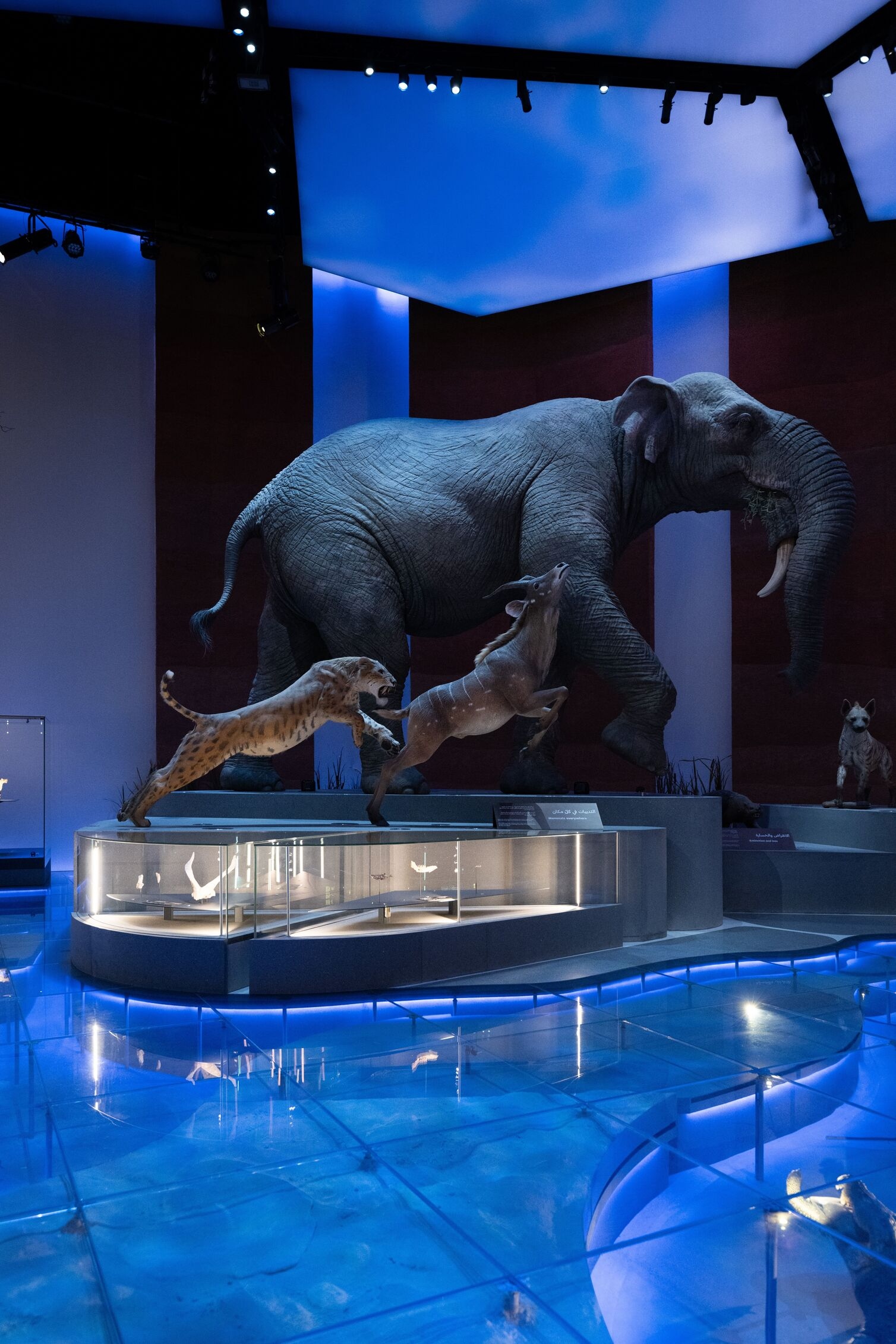
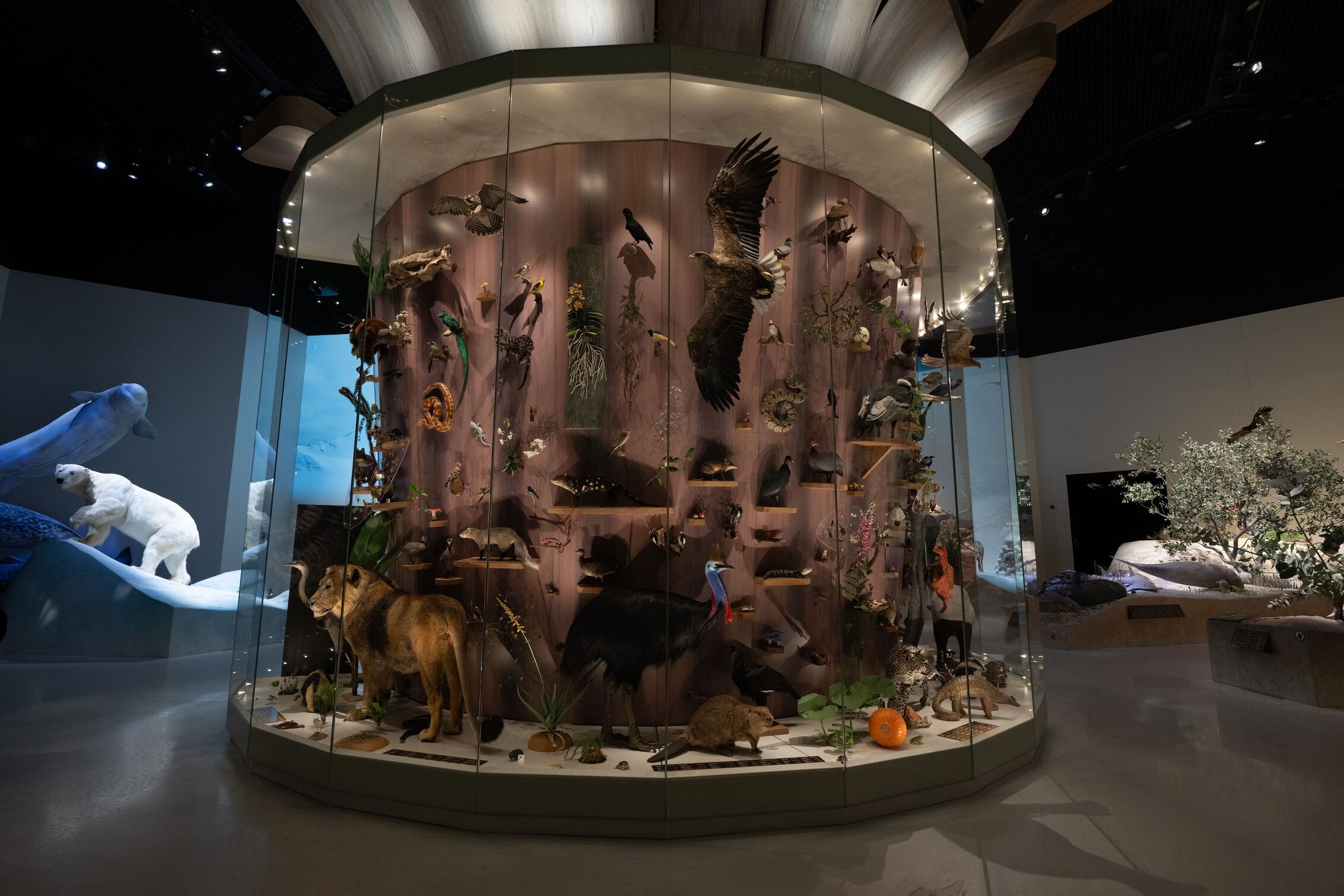
Located in the Saadiyat Cultural District and designed by Mecanoo, the museum functions as both a public destination and a scientific research institution. Wētā Workshop was engaged as part of a wider project team to create more than 300 hyper‑realistic models and dioramas across multiple galleries, ranging from a 15‑metre Shastasaurus to insects measured in millimetres.
In this context, physical realism becomes the primary narrative device. Scale, posture, texture, and surface detail are carriers of meaning. Visitors are encouraged to observe closely, understanding evolution, extinction, and interdependence through attention rather than instruction.
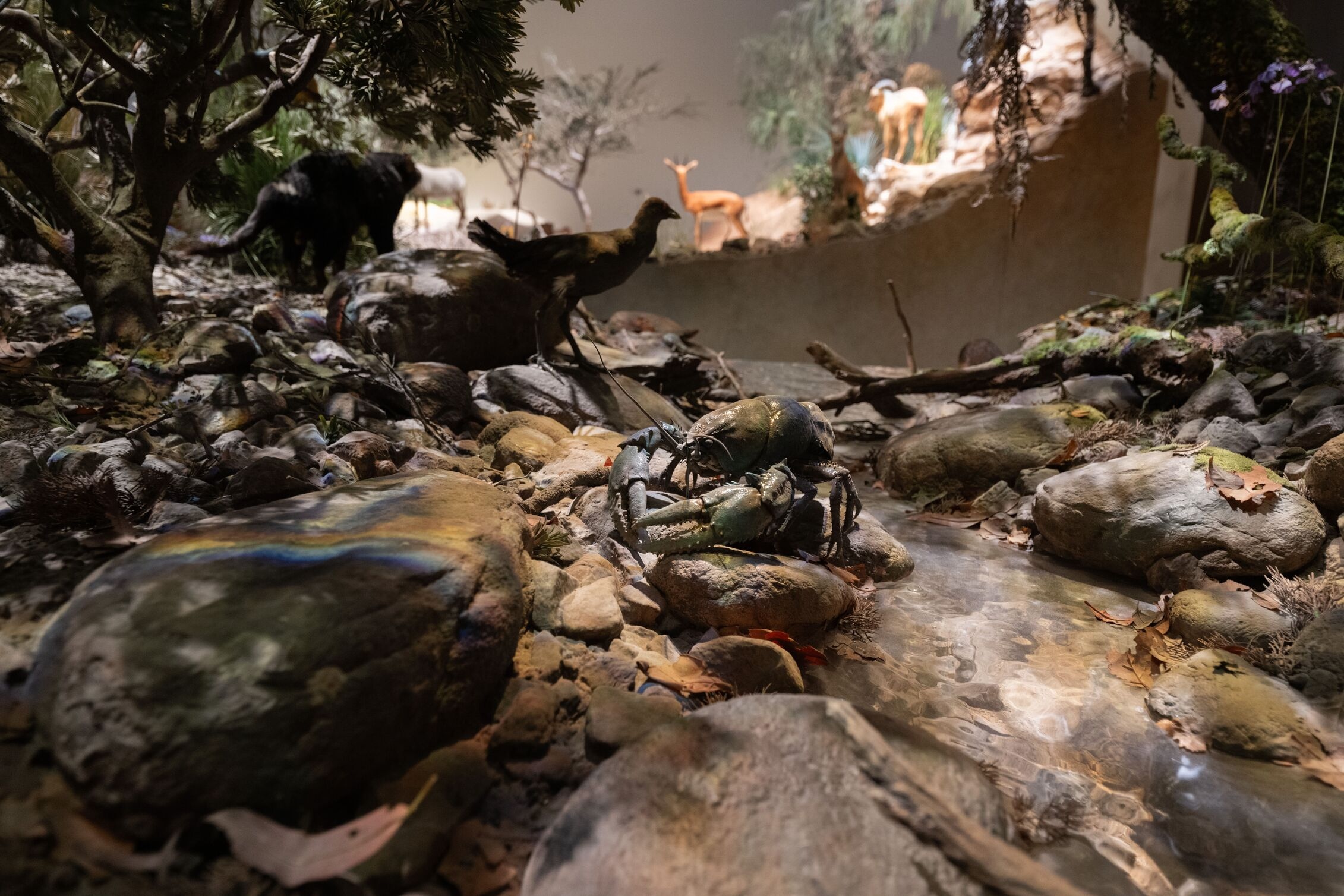
Scientific accuracy was non‑negotiable. Every reconstruction was developed in collaboration with paleontologists, researchers, and curators through extensive review cycles. As the project evolved, Wētā Workshop’s scope expanded to include entire environments, such as the Tasmania biome and an outdoor wadi populated by bronze sculptures of fauna native to the Arabian Peninsula — rooting a global narrative within a regional ecological context.
As Athorne observes, “The Natural History Museum Abu Dhabi demonstrates that impact does not always come from technological intensity. In some contexts, restraint is what allows meaning to surface.”
Cultural Intelligence is a professional skill, not an instinct
Cultural intelligence is a core professional skill – one that begins with listening before design. On Alif, this meant embedding cultural grounding into narrative structure rather than applying it as surface treatment.
This approach is consistent across our work globally. In Aotearoa New Zealand, for example, the Pounamu Pathway was developed through a deep partnership with local iwi (tribe) Poutini Ngāi Tahu, weaving local stories across interconnected sites on the West Coast.
Aldous adds, “in both contexts, the process was the same: collaborating with those who hold knowledge, building relationships, and allowing lived experience to shape the experience.”
Across regions, the throughline is clear. Cultural intelligence is built through trust, humility, and collaboration, ensuring experiences feel true to place and meaningful to the communities they represent.
What these projects signal for the immersive industry
Audience expectations are rising. Visitors are seeking authentic encounters with culture that go beyond surface‑level representation, and the Middle East is increasingly setting benchmarks for what immersive experiences can achieve.
We can see from Expo 2020 Dubai to the upcoming Expo 2030 in Riyadh, the region is not experimenting, it is leading. With ambition, funding, and long‑term vision aligned, the Middle East is shaping global conversations around scale, sustainability, and cultural depth. For immersive designers, this signals both opportunity and responsibility to create experiences that are ambitious, informed, and worthy of the stories they carry.
Designing with culture, not just technology
Three principles underpin the approach Wētā Workshop brings to immersive work in the Middle East and beyond:
- Start with story. Ground the experience in cultural narratives, values, and context – not technology.
- Invest early in cultural intelligence. This allows design decisions that respect local meaning, rather than defaulting to surface adaptation.
Let mixed reality play a supporting role. Technology should amplify culture, not overshadow it. - The question is no longer whether culture should lead immersive design. It is how rigorously we are prepared to engage with it.